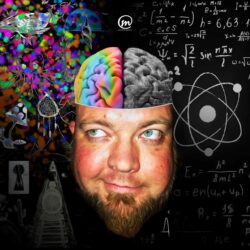
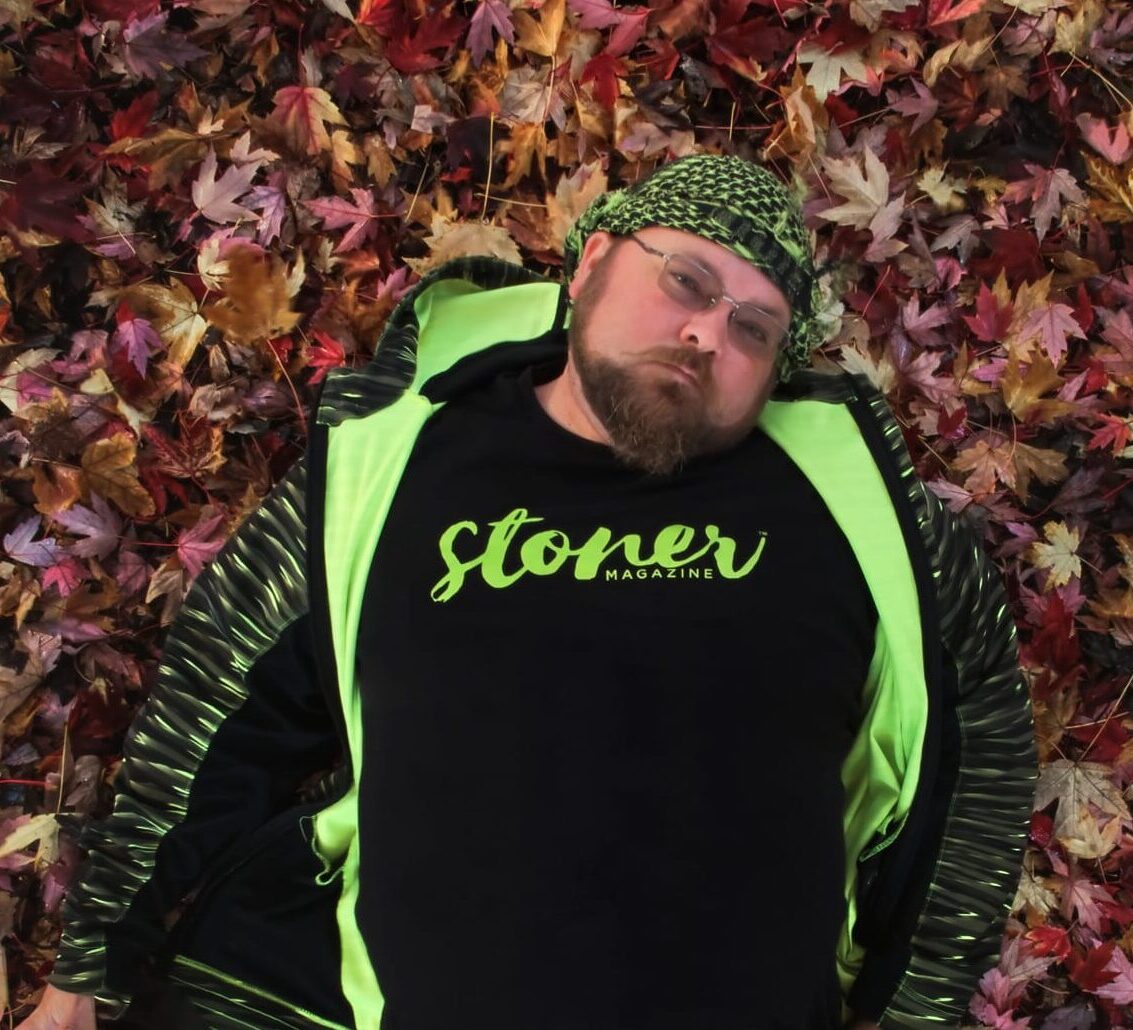
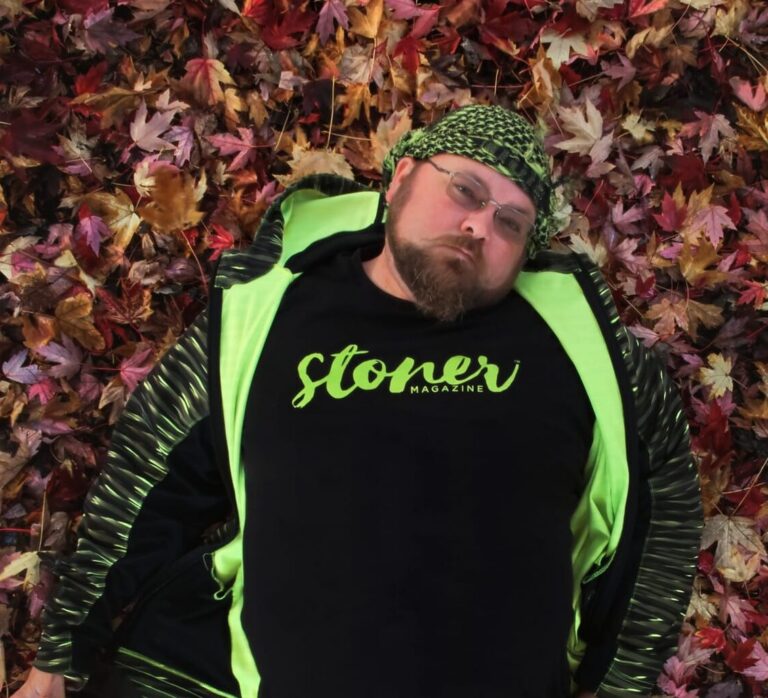
A Journey of Life, Light, and the Pursuit of Something Different
There is an extraordinary kind of serendipity that only happens when you finally stop fighting the universe and begin to trust it again. For Alexander Malloy, fruition landed on the morning of September 19th, when he found himself standing at the corner of 4th and G Street in downtown Grants Pass, Oregon.
He was outside LuLu’s Restaurant, wrapping up a meeting with Jerry DeFoe and the team from Stoner Magazine. In that exact physical spot, he had snapped his breakthrough photograph just a few short years ago.
The photo was a warm, stylized homage to a vintage 1987 Don Davey sketch that had hung in his childhood home. That photo propelled him to local prominence and landed on the cover of the regional Chamber of Commerce guide.
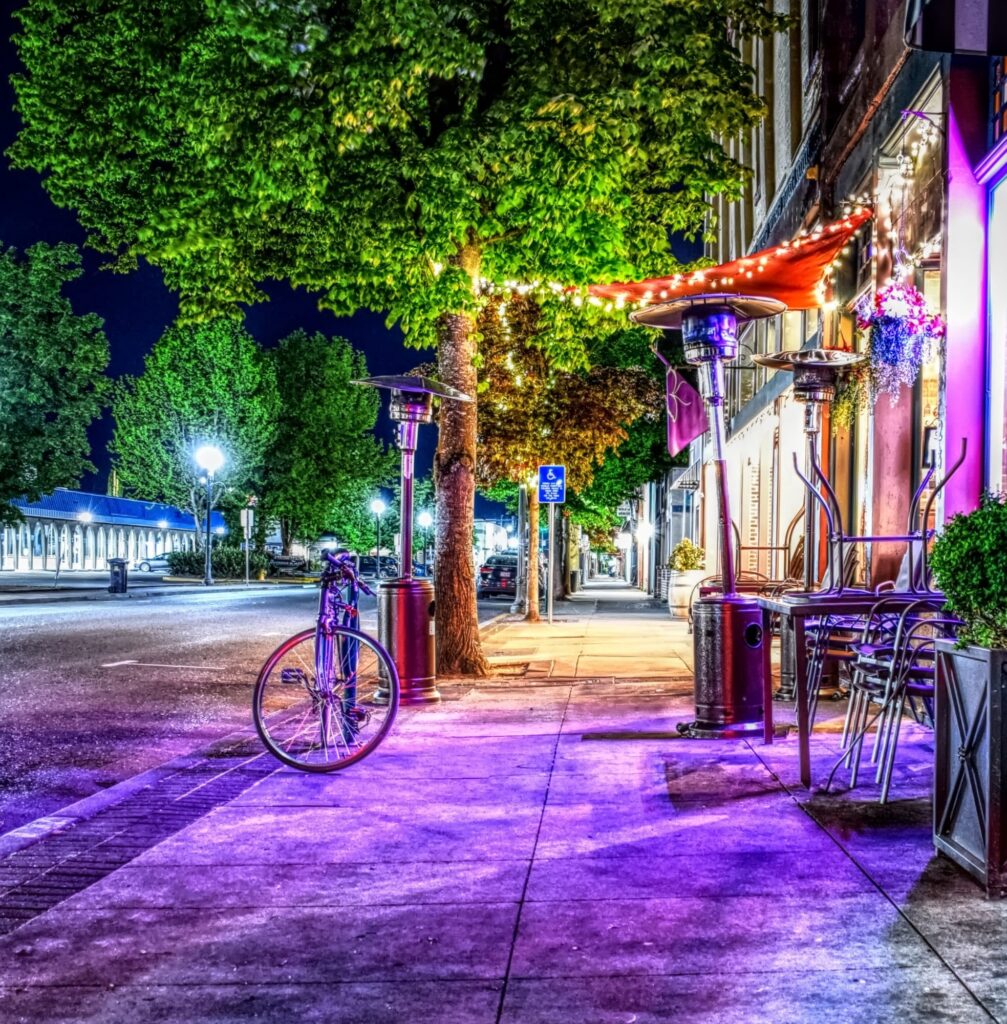
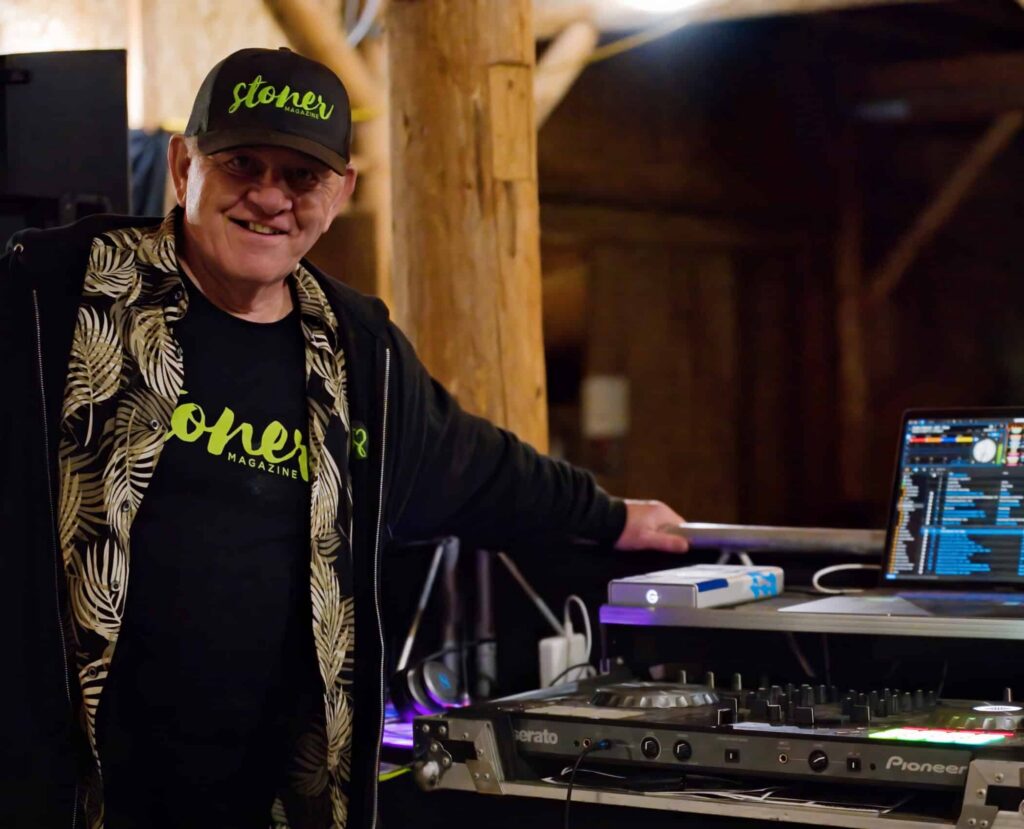
Now, standing on that same concrete, he was being offered the keys to the kingdom: a leading role over print and design for Stoner Magazine under the self-anointed, utterly glorious title, “Viceroy of Photography.”
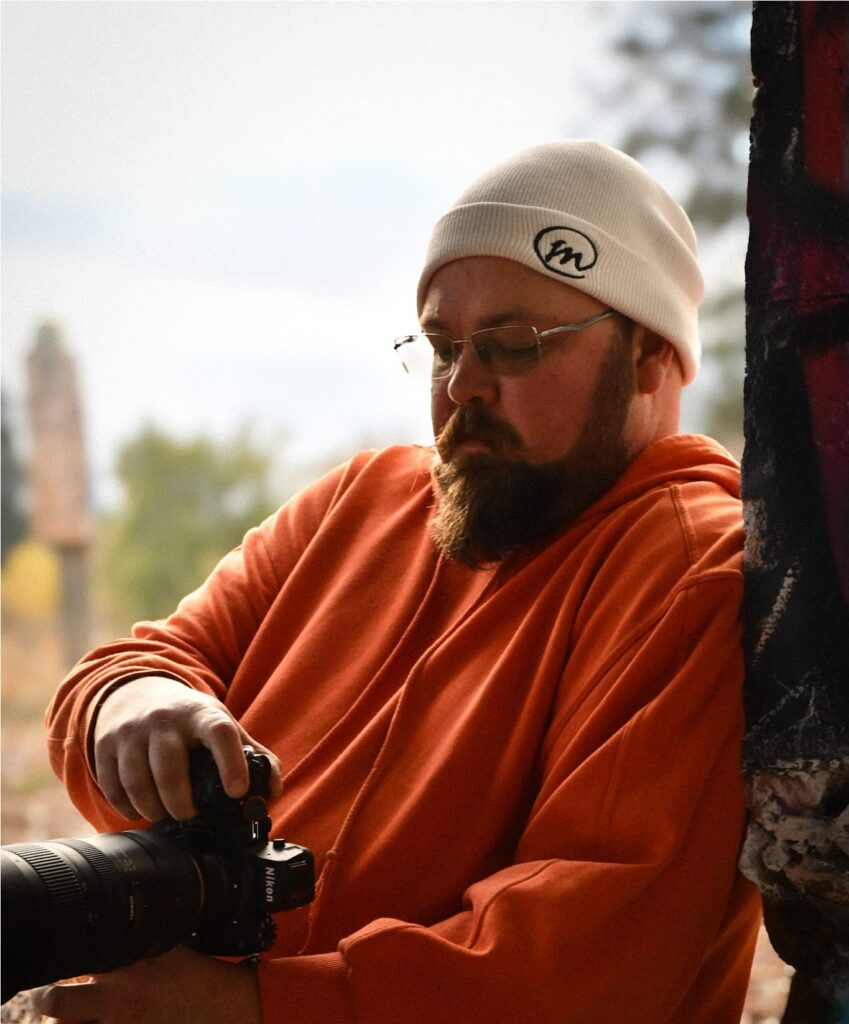
It was a full circle moment for a creative who spent the last two decades trapped in the soul crushing machinery of the modern corporate American nightmare.
For twenty years, he sat behind a desk as a social worker, witnessing the loopholes to accountability for the powerful and inbuilt cracks within the broken systems built on hostile architecture firsthand.
He poured his soul into advocating for the voiceless, eventually taking an irreparable mental toll that demanded a new direction. He was fighting a daily war of attrition against himself and the bureaucracies that demanded endless sacrifice from the front lines, with no hope or offer of a reciprocal back scratch when needs arose from within the ranks.
It was an environment that forced an objective, almost lawyer like analysis of human trauma, trapped in the biology of an empath. He was effective because he had been there and knew he never wanted anyone to have to experience the same alone.

Helping professions carry a certain financial sacrifice as well, fostering a deep aversion to capitalism’s relentless demand to monetize every waking breath and otherwise joyful moment. Eventually, the gears of that faux-civilized world grind a person down.

The boiling point arrived on November 8, 2023, a day defined by profound numbness and a final, visceral injustice. His car was burglarized and the only consequential theft was a jar of ashes that contained the memory of a dear friend. When the police dismissed the theft because human remains supposedly possess no monetary value, they couldn’t figure out what to charge the identified perpetrator with, Alexander reached a breaking point.
Exhausted from the ironies, burnt out from the grind, and entirely comfortable with the idea of not coming home from wherever he was going, he got in his car. As he drove toward the ocean, pushing the limits of his reaction time against oncoming semi-trucks, he felt no adrenaline, just a hollow void.
He managed to reach Harris Beach prepared to watch one final sunset…
Then, the universe intervened through the viewfinder of his Nikon Z7II.


As he stood on the sand, the sun peaked perfectly through a rocky archway just as the waves crashed through. He raised his camera. It was one of those exceedingly rare shots that is flawless straight out of the lens. In that fraction of a second, the heavy, fatalistic fog lifted. It was replaced by a sudden, undeniable urge to get home to tweak the edit.
Suddenly, he found himself making plans again, not out of obligation, but out of a creative necessity to do more with this life, than just suffer through it. He’s since categorized everything from that moment as “Bonus Time.” Instead of Game Over, it serves as a check point on this journey through life that allowed him to choose a new direction. Today it serves as a temporal motivation to play an entirely different game, on his own terms, chasing joy and getting back to living again.


Having lived in survival mode for too long, he developed an affinity for darker humor, which at times bleeds over directly into his creative outflows.

He uses his quick wit as a defense and diffusion mechanism, able to briefly lighten a heavy load of trauma, while still remaining focused on tackling uncomfortable truths.
His visual storytelling is a continuation of his social advocacy work, just trading case notes for color grades and level adjustments.

The roots of his technical expertise stretch back to the early 2000s, managing a Walgreens photo lab during the reigning days of film. Long before he mastered the exposure triangle, he mastered the darkroom alchemy of processing.
He learned by looking over the shoulders of working professionals, earning their respect by meticulously tweaking their prints to make them pop in a pre Photoshop world. Today, he shoots on a Nikon. The brand simply feels like home, harkening back to his first N65 film camera.
“Photography is a full body, mind, and soul exercise. It forces one to slow down and focus, become hyper aware of their surroundings, and gives a place to quiet the otherwise chaotic inner monologue.” – Alexander Malloy
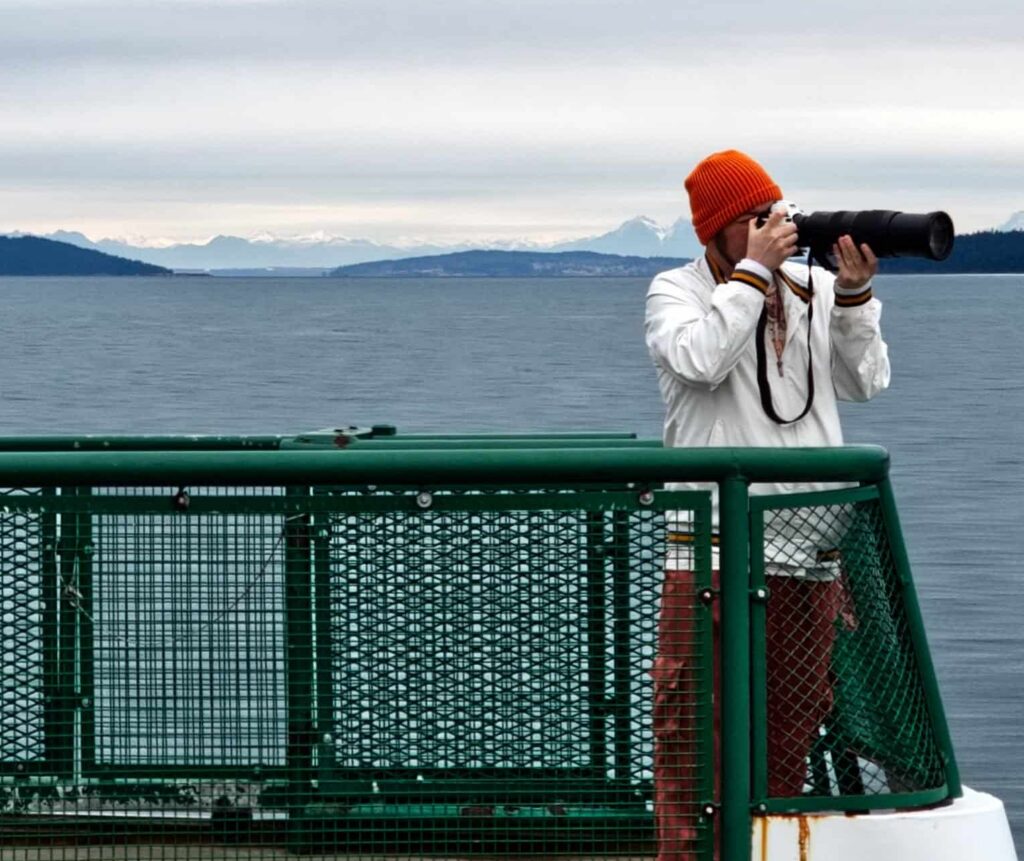
When he is gearing up for a shoot, preparation is his religion. “Without direction, there is no intention.” He scouts locations relentlessly, building a mental checklist of the visual narrative. But once the shutter starts clicking, he embraces the chaos and improvisation of the environment.
As an event photographer, where ideal lighting is a myth, he operates on the absolute bleeding edge of his equipment’s limits, hunting for raw, un staged, candid moments. He wants the behind the scenes authenticity that captures a subject’s true light, even when there’s very little to work with.



Then comes the post processing, the sacred space where his perspective truly takes over.
This is where cannabis usually enters the equation, serving as both medicine and muse. Navigating a baseline of elevated anxiety and depression, he relies on heavy Indica strains to anchor his physical body while allowing his mind to remain sharp, abstract, and highly functional.

Long gone are the days of rolling the dice on the mystery bags of yore from the local plug; legalization brought precision. Cannabis is the catalyst that allows him to mix color and light, transforming raw files into moving landscapes. He is fiercely open about his consumption, having navigated the hypocritical professional stigmas of the past where functioning alcoholics were deemed acceptable, yet potheads were treated as lesser than.

It was a convenient excuse for corporations to deny worker’s comp claims, or an easy excuse to get rid of someone. Today, he proudly mixes business with pleasure, capturing the harvest while partaking in the culture he gets to document.
His inspirations are as eclectic as his aesthetic. You are just as likely to find him editing to the frenetic numetal as you are to the lyrical genius of the hip hop greats. He draws visual cues from the surrealism of Salvador Dali and Rene Magritte, using the elemental exaggerations and forced perspectives into his work.

Yet, his deepest admiration is reserved for those who spent the majority of their time in front of the camera, but who intensely portrayed their subjects like conservationists Steve Irwin and David Attenborough, who told the story behind the beauty you were seeing.

He even hides subtle Easter eggs in his final edits for those paying close enough attention, quietly inserting his own logo into a sweeping landscape, setting opacities to specific numbers, or seamlessly face swapping himself into the background crowd of a busy shot.
Now, as the Viceroy of Photography for Stoner Magazine, he is exactly where he is supposed to be. That fortuitous meeting at LuLu’s revealed another wild stroke of luck. Both he and the magazine’s owner, Jerry, bucked the Adobe industry standard, opting instead for Affinity software.
That shared technical language fast tracked his transition from contributing photographer to the visionary spearheading the magazine’s upcoming regional cannabis tourism guide. Starting with the legendary Emerald Triangle, the guide will be a quarterly must have for consumers seeking out cannabis friendly events, lodging, and the finest local harvests.

He is making up for lost time, armed with a substantial bucket list and a camera that rarely leaves his side. This winter, he is returning to the corner of 4th and G Street to fully recreate that fateful Don Davey sketch. He has aligned all the stars: a local saxophone player, a horse and carriage, and a remote triggered interval timer on his Nikon. When the shutter snaps, he will be in the frame himself, acting as the jolly fellow with the umbrella, dancing on the curb, completely in control of the narrative.
He gave the system twenty years of his life. He has granted himself the next decade to take risks, and finally be the primary beneficiary of his own boundless creativity, while continuing to tell the stories that matter. The desk is empty. The lens is focused. And a new chapter begins.