
How Cannabis Saved Willie Nelson’s Life
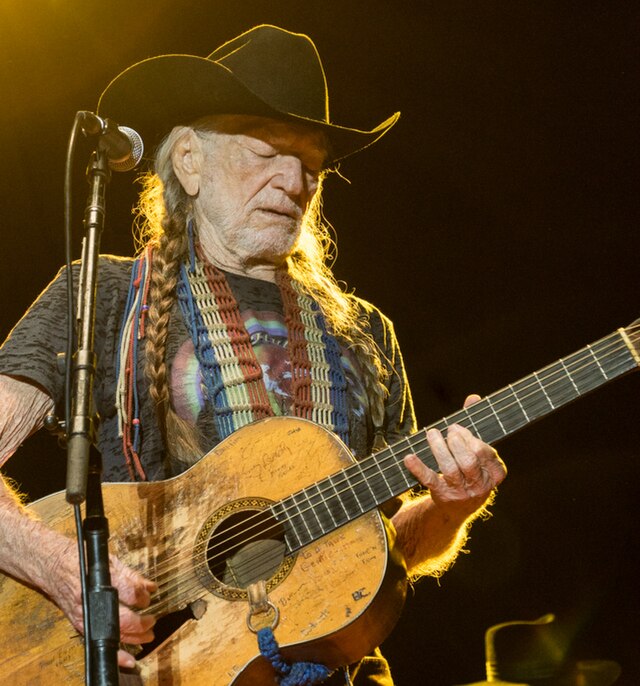
Into his 90’s, Willie Nelson is more than a country music legend; he is a living miracle of the “Outlaw” spirit. With a guitar named Trigger and a cloud of smoke that seems to follow him like a halo, he has become the undisputed patriarch of cannabis culture. But for Willie, the plant was never just about the “high”—it was a survival strategy that rewrote the script of his life and career.
The First Spark: “Get High and Be Somebody”
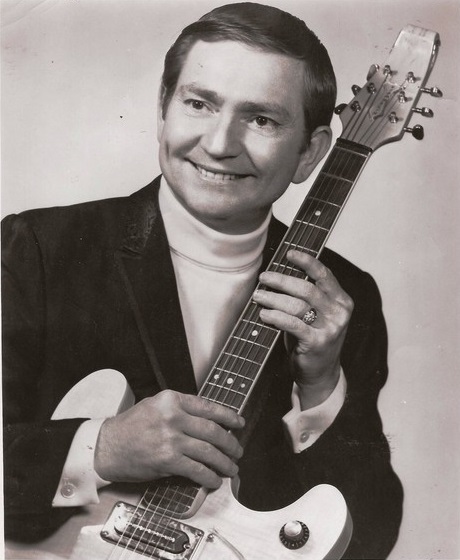
Born in 1933 in Abbott, Texas, Willie was raised on gospel music and Depression-era grit. By the 1950s, he was a young musician grinding through the “rough-and-tumble” beer joint circuit. In 1954, a fellow musician handed him his first joint with a simple, cryptic piece of advice: “Get high and be somebody.”
Surprisingly, it wasn’t love at first puff. Willie spent six months “practicing” before he finally learned how to properly inhale. When it finally clicked one night in Texarkana, it wasn’t a wild trip—it was a profound sense of “reassurance.” In a world of honky-tonk chaos, the plant offered him a moment of peace that whiskey never could.
The Nashville Fire and the Two-Pound Rescue
For years, Willie lived a double life. In the 1960s, he was a clean-cut Nashville songwriter, penning hits like “Crazy” for Patsy Cline while wearing suit jackets and short hair. Internally, however, he was drowning in whiskey and a two-pack-a-day cigarette habit that was destroying his health.
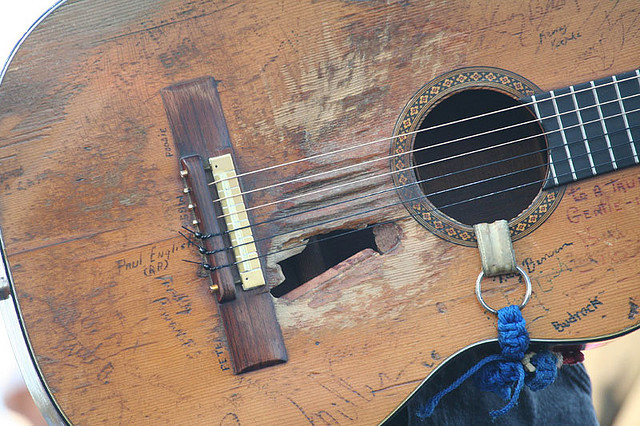
The turning point came in 1970 when his Nashville home caught fire. Legend has it that Willie ran into the flames to save two things: his iconic Martin N-20 guitar, Trigger, and a gym bag containing two pounds of “Colombian Gold.” Shortly after, he ditched the Nashville suits, moved to Austin, and let his hair grow. The “Outlaw” was born.
The Great Replacement: Weed vs. Whiskey
By 1978, Willie’s body was breaking. Decades of heavy drinking and smoking had led to a collapsed lung and chronic pneumonia. Realizing he wouldn’t see his 50th birthday if he stayed the course, Willie made a radical choice: he threw away his cigarettes, rolled 20 joints, and put them in the carton instead.
”I wouldn’t be alive. It saved my life, really. I wouldn’t have lived 90-plus years if I’d kept drinking and smoking like I was when I was 30 or 40.”
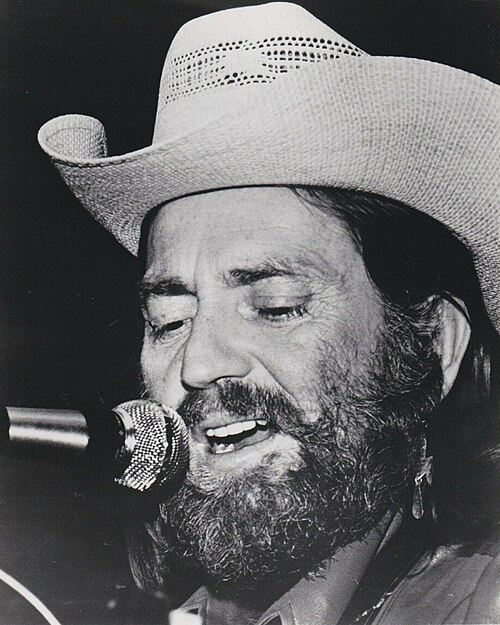
This “maintenance program” didn’t just save his lungs; it focused his mind. It allowed him to maintain his legendary touring schedule while staying grounded, eventually leading to his status as the “canary in the coal mine” for the benefits of long-term use.
A Legacy of Advocacy and “Willie’s Reserve”

Willie’s relationship with the plant has always been political. He famously smoked a “fat Austin torpedo” on the White House roof in 1980 with President Jimmy Carter’s son, Chip. For decades, he served as the co-chair for NORML, using his fame to fight for the small-scale farmers he championed during Farm Aid.
In 2015, he turned his personal “stash” into a business, launching Willie’s Reserve. But even as an entrepreneur, he stuck to his roots, insisting on organic practices and supporting independent growers.
The Modern Elder
Today, the man who once out-smoked Snoop Dogg in Amsterdam has traded joints for vaporizers and CBD-infused coffee to protect his voice.
He remains a daily consumer, proving that a life led with authenticity, music, and a little help from the Earth is a life well-lived. Willie Nelson didn’t just find the love for the plant; he found a way to let the plant keep him on the road, where he belongs.

Feature Sidebar: Willie’s Top 5 Stoner Anthems
1. “Roll Me Up and Smoke Me When I Die” (2012)
The ultimate, tongue-in-cheek stoner declaration. Willie sings about his final wish, ensuring his legacy continues in a plume of smoke.
2. “It’s All Going to Pot” (with Merle Haggard) (2015)
A brilliant, humorous commentary on modern legalization, where Willie and Merle reflect on the changing times, noting that everything has come full circle.
3. “Me and Paul” (1971)
A classic tale of life on the road, where the song (named for his drummer Paul English) chronicles a drug bust at an airport, highlighting the constant legal struggle of the outlaw era.
4. “I’ll Never Smoke Weed with Willie Again” (Toby Keith) (2003)
While not by Willie, this track—which Willie is happy to perform—immortalizes the moment Toby Keith realized his tolerance was no match for the Red-Headed Stranger.
5. “Whiskey River” (Live Versions)
While originally about alcohol, in the context of Willie’s life, this song represents the destructive past he escaped by switching to the plant. It’s often the celebratory anthem of his live shows, where the energy in the crowd is decidedly hazy.
Feature Sidebar: The Willie Nelson Cannabis Timeline
1933: Born in Abbott, Texas.
1954: Tries cannabis for the first time in Fort Worth (it doesn’t work).
1955: Actually gets high for the first time in Texarkana after six months of practice.
1970: Rushes into his burning Nashville home to rescue his guitar, Trigger, and a gym bag containing two pounds of weed.
1972: Moves to Austin, Texas, the cultural flashpoint where hippies and cowboys unite around his music and the plant.
1978: Quits a heavy cigarette and whiskey habit, replacing them entirely with cannabis.
1980: Smokes a joint on the roof of the White House with President Jimmy Carter’s son, Chip.
1990: Founds Farm Aid, beginning a long legacy of advocating for independent farmers (and eventually, cannabis growers).
2006: His tour bus, “Honeysuckle Rose III,” is searched at a border patrol checkpoint; they find 1.5 lbs of marijuana and mushrooms. Willie serves community service.
2010: Launched the “Teapot Party” following another high-profile marijuana arrest in Texas, campaigning under the slogan “Tax it, regulate it, and legalize it.”
2015: Launches his official cannabis brand, “Willie’s Reserve.”
2023: Celebrates his 90th birthday, proving that a life of cannabis, music, and activism is a long and healthy one.


